Tune In to Hear an Expert on Children’s Rights and Parenting in 2024
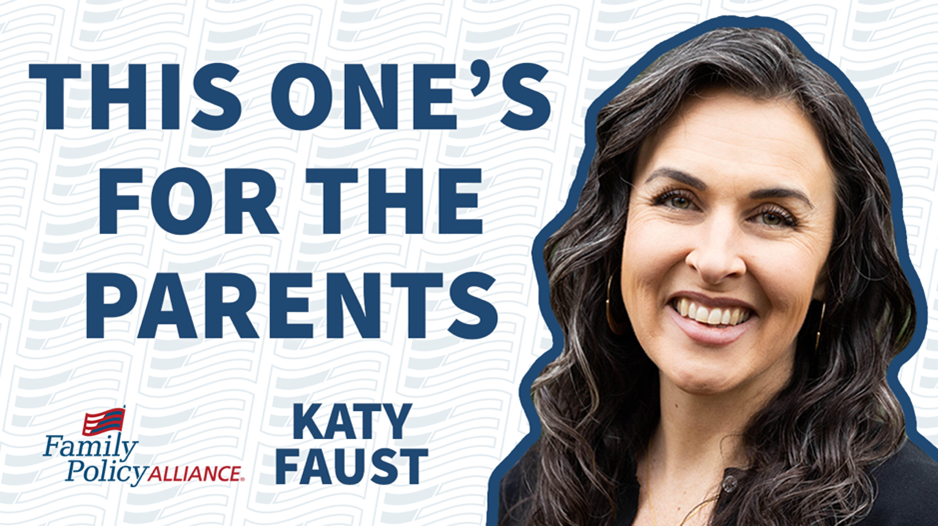
Living in a woke world as a conservative can be difficult. Raising children in a woke world is even more difficult! Parents, this new podcast episode is for YOU. Today, you’ll hear from an expert on children’s rights and parenting in this crazy world we’re living in.
Katy Faust is founder and president of Them Before Us, a global children’s rights non-profit, which defends a child’s right to their mother and father. She’s a mom on a mission against the overreach of progressives, especially when it comes to our nation’s children.
Our Vice President of Education, Amanda Banks, is joined by Katy Faust to discuss her book, Raising Conservative Kids in a Woke City. Tune in to learn how you can make an impact on the next generation of Americans!
LIVE TODAY on Facebook, Twitter, YouTube,
SoCon Report or by clicking the image below
10:00am PT / 11:00am MT / 12:00pm CT / 1:00pm ET
At Family Policy Alliance, our vision is a nation where God is honored, religious freedom flourishes, families thrive, and life is cherished. To stay up to date on the fight to protect families and learn how to take action, follow us on social media!
 |
 |
 |
 |
|||
| . |
See you in the comments section,

Emma Rarden
Digital Specialist – Producer