
“We’ll Convert Your Children” – A Message from the San Francisco Gay Men’s Choir
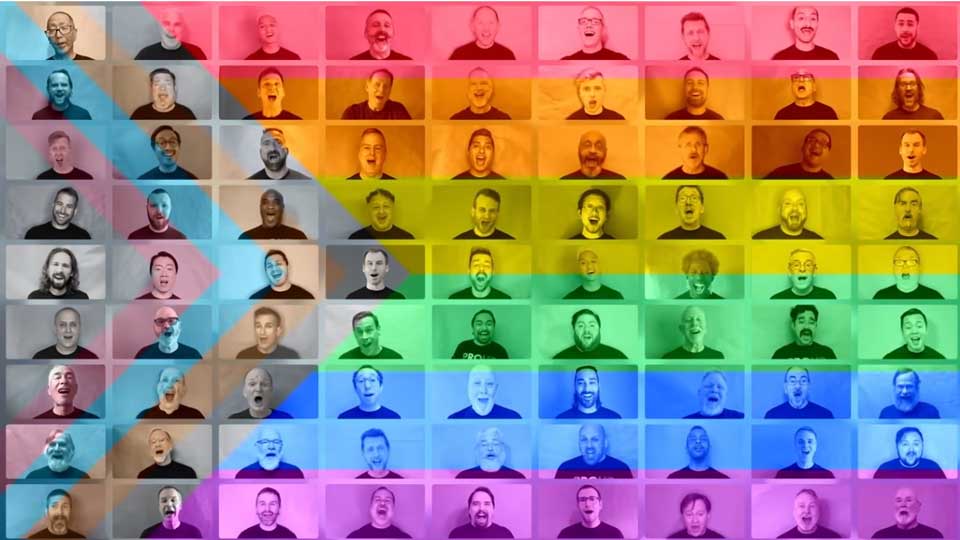
The lyrics are rather disturbing…
| You say we all lead lives you don’t respect. But you’re just frightened. You think that we’ll corrupt your kids if our agenda goes unchecked. Funny, just this once, you’re correct.”
“We’ll convert your children – happens bit by bit, quietly and subtly and you will barely notice it…” “Just like you’re worried, they’ll change their group of friends, you won’t approve of where they go at night. And you’ll be disgusted when they start finding things online that you kept far from their sight…” |
In case you missed it, the San Francisco Gay Men’s Choir (SFGMC) released a video on July 1, proclaiming to America that they are going to “convert your children”. The well-produced song declares that it is only a matter of time before the gay agenda “comes home” – to your home that is.
While it is hard to listen to this message, it is essential that parents do in fact listen and take heed.
The Choir claimed after its release that the song was completely “satirical” and intended as “tongue-in-cheek humor,” but the video belies the truth of a persistent agenda playing out daily in entertainment, pop culture, corporate America, public policy, politics and education.
The song happily tells parents that regardless of the spiritual values children are taught at home, the LGBT movement has aims to unapologetically undermine those values in order to advance their cause.
From the Biden Administration all the way down to your city council and local school board, LGBT activists are working to quietly write public policy that will coerce not only a tolerance of LGBT lifestyles, but also in many ways, require an acceptance and affirmation of those lifestyle choices. Corporate America, Hollywood and Big Tech are all there too.
Here are just a few ways this is playing out before our very eyes:
Government
The Equality Act – currently under consideration in Congress – would place sexual orientation and gender identity into the US Civil Rights code as a protected class along with race, national origin, veteran status and others. This would make any disagreement with this sexual ideology considered “illegal discrimination”—by parents, in schools, in doctor’s offices, on sports teams, in the marketplace, in any public place, and even in churches and faith-based schools or other organizations. It is the most dangerous legislation we’ve seen come out of Congress.
In a stunning act of administrative action, the Biden administration has now—without the real authority to do so—rewritten Title IX to require public schools across the US to validate gender identity – that means bathrooms, locker rooms and sports teams no longer must conform to children’s real biological sex as male or female. It’s a sad irony, given that Title IX was originally enacted to ensure that girls had equal access to educational and athletic opportunities with boys.
Similarly, many school systems have adopted policies that validate same-sex attraction or even transgenderism among students. A child may leave home as a boy but live and be treated as a girl at school. By design, parents generally have no idea this is happening as schools will not tell parents about the child’s new identity. It is all a secret, and the school is on board. The LGBT lobby frequently advances this very secret and subtle tactic, and it damages not only the transitioning child, but also leads to the indoctrination of all other classmates aiming to normalize homosexuality and transgenderism in public schools.
Local governments and even your Chamber of Commerce are in on the agenda too – passing so-called nondiscrimination ordinances that provide new protections for sexual orientation and gender identity under local laws that compromise changing rooms, locker rooms and bathrooms at public locations. These local efforts allegedly aim to benefit “equality” and even “economic development” but ignore religious beliefs, parental rights and safety.
Entertainment/Hollywood
American children can hardly watch children’s programming, much less television commercials, without being exposed to homosexuality or transgender ideology. The entertainment industry is using popular cartoons such as Arthur, Clifford the Big Red Dog, Sponge Bob Squarepants and Doc McStuffins, just to name a few, to target children as young as toddlers with sexualized content. Through very subtle yet crafty portrayals, and “bit by bit” as the song goes; they are seeking to normalize homosexuality and transgenderism through their messaging to children – and you.
Social Media/Technology and Corporate America
Lastly, big tech, Google, YouTube, Facebook, Tik-tok and most other social media platforms seek to advance the LGBT agenda. Whether it is actively celebrating so-called PRIDE month in June, or more subversively censoring or downgrading content critical of the LGBT agenda, big tech is engaged in the persistent indoctrination process. The same goes for numerous corporations, many of whom classify a biblical view of human sexuality as hate, instantly dismissing parental rights and Christian beliefs.
So yes, parents, the SFGMC was telling the truth. The LGBT agenda is looking to change the values you are teaching your children.
So what do we do?
| 1. Engage our government – We call this “biblical citizenship.” Our mission at Family Policy Alliance is to equip believers to easily take a stand on important issues like the Equality Act.So, when we send out an alert that something important is happening where your voice is needed to impact legislation or the outcome of an election, please take action! |
 |
|
 |
2. Learn –
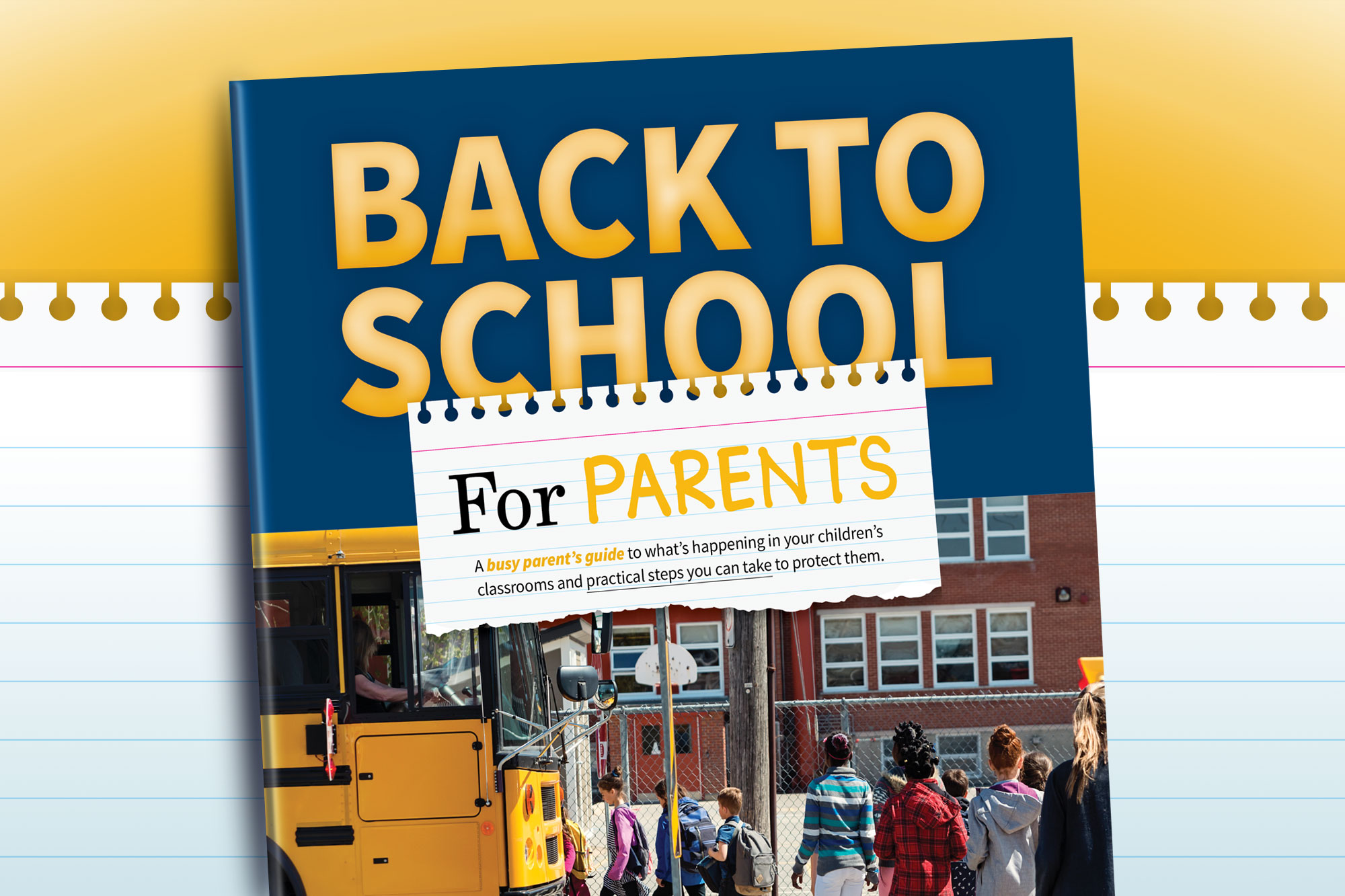
Along with our friends at Focus on the Family, Family Policy Alliance produced a critical guide for parents called Back to School—for Parents on how to protect your child in the classroom, in sports, in the school clinic, and more! It also includes tips on how to talk to your child about these issues. |
|
| 3. Pray –
Check out the first video in our new Ask Meridian video series! Meridian explores the important questions about how to share your faith and beliefs about sexuality with your LGBT-identifying neighbors, a prayer for them, and talks about how to show genuine love while disagreeing. |
 |
For truth,

Robert Noland
Communications Manager